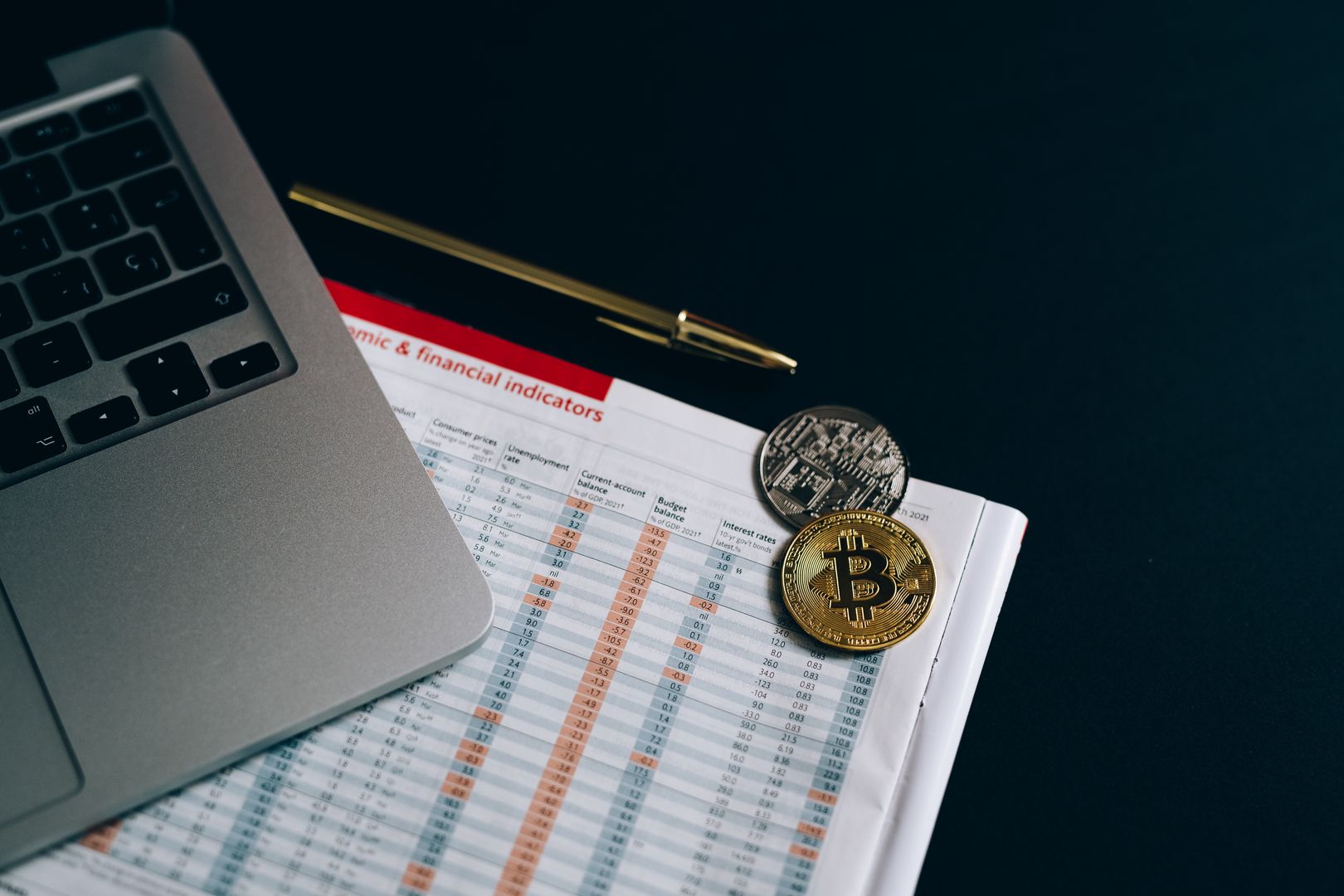
Cost basis is the lever that most often gets mishandled, especially by active traders. When you buy the same asset at multiple prices, you own multiple lots, each with its own basis and acquisition date. When you sell, you must decide which lot you sold. Many platforms default to FIFO—first in, first out—but default is not the same as optimal, and it's not the same as documented.
The IRS expects you to maintain sufficient records to support positions on your return. Think date and time of each transaction, the USD value at the time, and what you received and gave up. A concrete example makes this real. Suppose you bought 1 ETH for $2,000, and later you swapped it for $3,000 of USDC on an exchange. Even though you never touched a bank account, you disposed of ETH.
Your gain is generally $1,000—the $3,000 amount realized minus $2,000 cost basis—usually reported as a capital gain. If you later spend that USDC on a laptop, that spend can be another taxable event if the USDC wasn't exactly $1 per unit at acquisition and disposal, and fees can complicate it. Crypto is property; property creates a paper trail.
Recent reporting changes raise the stakes. Beginning with sales of digital assets effected in calendar year 2025, custodial brokers—exchanges and other intermediaries that take possession of customer assets in covered transactions—are required to file information returns on Form 1099-DA reporting gross proceeds. Taxpayers generally receive corresponding statements in early 2026 for 2025 activity.
Cost basis reporting is also phasing in. In broad terms, brokers' basis reporting obligations expand for certain transactions starting with 2026 sales, and covered security treatment generally keys off assets acquired after 2025 in custody. This matters because proceeds-only reporting can still leave taxpayers with the hard part: reconstructing basis across multiple transfers and platforms.